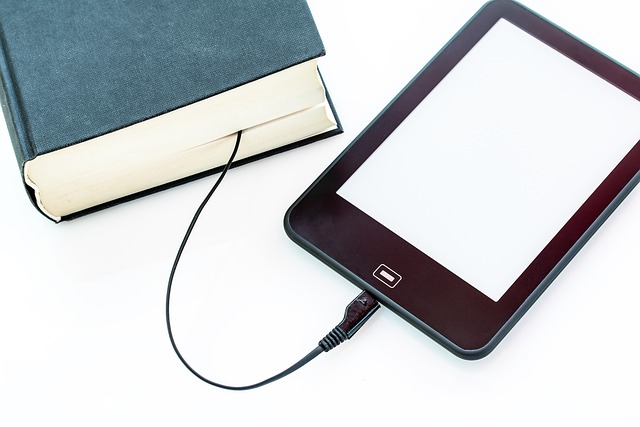
In recent years, more people have turned to e-books as a convenient way to read. Whether you’re at home or on the go, all you need is a device and a library card. Libraries across the country have noticed this shift, and many are working hard to keep up. The Allen County Public Library (ACPL) is one of those stepping up. They are not just offering e-books—they are making sure you have access to the latest and most popular titles.
For those who enjoy reading but want more flexible options, e-books can be a great choice. And now, thanks to platforms like Hoopla and Libby, getting access is easier than ever. It’s a small change that reflects a bigger trend, and libraries are adapting fast.
This shift in reading habits is part of a broader digital trend seen across different areas of life—from how you watch TV to how you play at a non GamStop casino. Digital access is becoming a normal part of everyday routines.
H2: Why E-Books Are Becoming More Popular
E-books offer something that physical books can’t: instant access. You don’t need to drive to the library or wait for opening hours. You just log in, search for a book, and start reading. For many people, especially those with busy schedules, this makes a big difference.
During the pandemic, this convenience became even more important. Libraries had to close their doors, but they still found a way to serve readers. E-books became the main option, and many people discovered how useful they could be. Since then, the habit has stuck.
Libraries saw a rise in demand and responded by adding more e-books to their collections. Now, even as in-person visits return, e-books remain a key part of what libraries offer.
H2: How the ACPL Is Managing the Shift
At the Allen County Public Library, around 25% of all checkouts are now e-books. That’s a large share, and it shows how much things have changed. The library uses two main platforms—Hoopla and Libby—to offer digital books. These platforms are easy to use and give you access to thousands of titles, from classics to new releases.
But it’s not as simple as adding every book. Popular titles often come with a high price tag for libraries. When there’s a new book everyone wants to read, the library must buy enough digital copies to meet the demand. That means spending more money than usual, just to keep wait times short.
It’s a balancing act, and the library is always planning ahead. They monitor new release schedules and try to purchase in advance, so you don’t have to wait too long for the books you want.
H2: What It Takes to Keep Up With Popular Titles
When a big new book is released, people want to read it right away. The ACPL watches for these popular releases so they can order copies ahead of time. This helps reduce long waitlists and makes sure more people get access quickly.
But digital copies can be expensive. Libraries don’t pay the same price that you would as an individual. They often have to pay more, especially if a book is expected to be in high demand. That’s because digital lending works differently. Each copy can only be checked out by one person at a time, just like a physical book.
So, if a library wants to serve a large number of people, they may need to buy multiple licenses for the same book. That adds up quickly, especially when you’re trying to keep costs low.
H2: Why a Library Card Still Matters
Even if you prefer e-books, you still need a library card to use them. That’s why the ACPL is encouraging everyone in the community to get one. With a card, you get access to not only digital books, but also audiobooks, magazines, research tools, and more.
It’s free, and it opens the door to a wide range of services. Whether you’re a student, a parent, or someone who just enjoys reading, a library card is one of the easiest ways to save money and stay informed.
Libraries are not just about books. They’re about access. And in a world where more things are moving online, having that access matters more than ever.
H2: Platforms That Power the E-Book Collection
Hoopla and Libby are the two main platforms used by the ACPL. Each one has its strengths. Hoopla offers no wait times, so you can borrow titles instantly. Libby works with a more traditional model, where you may have to wait if someone else has checked out the book.
Both platforms are free to use with a library card and can be accessed on smartphones, tablets, or computers. They also include audiobooks, which are great for people who prefer to listen rather than read.
The goal is to give you options. Whether you like reading late at night, during lunch breaks, or while commuting, these platforms make it possible.
E-Books and the Future of Libraries
The growth of e-books doesn’t mean physical libraries are going away. Instead, it means they are changing. Libraries now serve both in-person and online visitors. That includes readers who live far from a branch, people with limited mobility, or anyone who just prefers the digital format.
Libraries are becoming more flexible, and that helps them stay useful in a changing world. E-books are one part of that evolution. They let libraries serve more people and respond faster to new demands.
As technology improves, libraries will likely offer even more digital services. But the mission stays the same: to give you access to knowledge and entertainment, no matter where you are or how you like to read.