In the digital age, where attention spans are shrinking and visual content reigns supreme, few could have predicted the resurgence of poetry. Yet, here it is—flourishing on platforms like Instagram, TikTok, and Twitter. Far from being confined to dusty anthologies or dimly lit readings, modern poetry has found a new home in the world of social media. But is this trend a true revival of a traditional literary form, or has poetry been reshaped into something entirely new?
A Renaissance in Rhyme?
For centuries, poetry was revered as one of the highest forms of artistic expression. From Homer’s epic verse to Shakespeare’s sonnets, the genre was deeply embedded in cultural heritage. However, as prose took center stage and popular culture evolved, poetry saw a decline in mainstream relevance—at least until social media offered a surprising platform for its rebirth.
Over the last decade, the popularity of “Instapoetry”—a term coined to describe short, emotionally direct poems paired with aesthetically curated images—has exploded. Writers like Rupi Kaur, Atticus, and Nayyirah Waheed gained international fame by sharing snippets of verse that could be read in a few seconds but linger in the mind for hours. These micro-poems often touch on universal themes like love, heartbreak, identity, and healing, resonating with a wide audience.
What’s striking about this movement is its accessibility. One doesn’t need to be a literary scholar to understand or appreciate it. The language is plain, the emotions raw, and the impact immediate. For many, this represents a democratization of poetry—a genre historically seen as elitist or opaque.
The Role of Aesthetics and Presentation
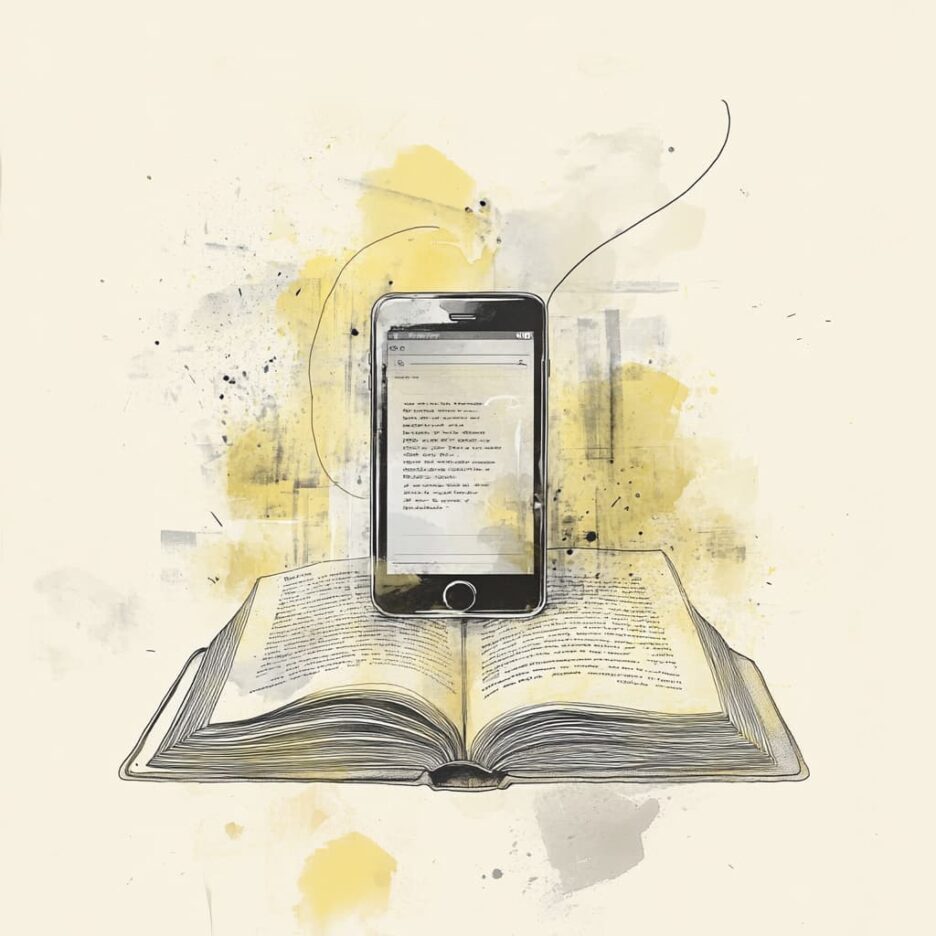
Social media’s visual nature plays a key role in this poetic resurgence. On platforms like Instagram, the poem’s visual presentation often matters just as much as the words themselves. A verse typed in elegant font, set against a pastel background or a minimalist photograph, draws the reader in. The combination of poetry and design transforms the experience into something more than just reading—it becomes a moment of reflection, wrapped in art.
TikTok, meanwhile, has ushered in a new era of performance poetry. Poets record themselves reciting verses over music, filters, or personal footage. The dynamic combination of audio and visuals adds an emotional layer that text alone sometimes lacks. Hashtags like #poetrytok or #spokenword have garnered millions of views, offering poets not just a voice, but an audience.
The New Metrics of Literary Success
Traditional poetry was once measured by critical acclaim, publication in literary journals, or inclusion in anthologies. Today, success can be quantified in likes, shares, and follower counts. While some purists scoff at this shift, others argue it reflects poetry’s evolving relationship with its audience.
This change in how we define “successful poetry” has led to more poets being published based on their online popularity. Publishers are increasingly scouting talent from social media, knowing that a built-in audience translates to better sales. In this way, social media doesn’t just host poetry—it shapes the future of its distribution.
Critics and Controversies
Of course, not everyone is celebrating this new wave of digital poetry. Critics argue that the genre has been oversimplified, stripped of its depth and complexity. Some claim that Instapoetry prioritizes emotional appeal over literary merit, offering inspirational quotes disguised as poems.
The debate brings up deeper questions about what constitutes poetry. Does it require formal structure and rhyme? Must it explore philosophical themes or stretch the boundaries of language? Or can poetry simply be a moment captured in words—sincere, spontaneous, and brief?
There’s no consensus, but perhaps that’s the point. Social media has blurred the lines between genres, roles, and expectations. Just as influencers are reshaping journalism and activism, so too are digital poets redefining their craft.
A New Kind of Community
Beyond aesthetics and controversy, one of the most profound impacts of poetry on social media is the creation of vibrant literary communities. Platforms like Twitter have fostered the rise of “poetry threads,” where users engage in collaborative verse or share original work with feedback from peers. Facebook groups connect aspiring poets with readers and publishers, while TikTok duets allow for poetic collaborations across continents.
These communities often emphasize inclusivity, offering a platform for marginalized voices that have long been underrepresented in traditional publishing. LGBTQ+ poets, people of color, and poets with disabilities have found spaces online to tell their stories and build supportive audiences.
A Mirror of Modern Life
Ultimately, the rise of poetry on social media reflects larger cultural shifts. We live in a time of rapid change, social unrest, and emotional complexity. In a landscape dominated by fleeting images and endless scrolling, poetry offers a pause—a chance to feel, reflect, and connect.
Whether it’s a haiku on heartbreak or a spoken-word video on identity, these poems capture the spirit of our times. They may not always conform to academic definitions of poetry, but they speak to millions. That alone gives them value.
Conclusion: Between Tradition and Transformation
So, is the rise of poetry on social media a revival of an ancient genre or the birth of a new one? In truth, it’s a little of both.
Social media has breathed new life into poetry by making it more accessible, visual, and emotionally immediate. It’s also challenged traditional literary standards, prompting fresh debates about authenticity and artistic merit. But more importantly, it has created a space where anyone can be a poet and every emotion can find a voice.
In a world where expression is currency and connection is craved, perhaps poetry’s true form is always evolving—just like us.